Study and Reference material for Medical Laboratory Sciences
Category: Hematology
-

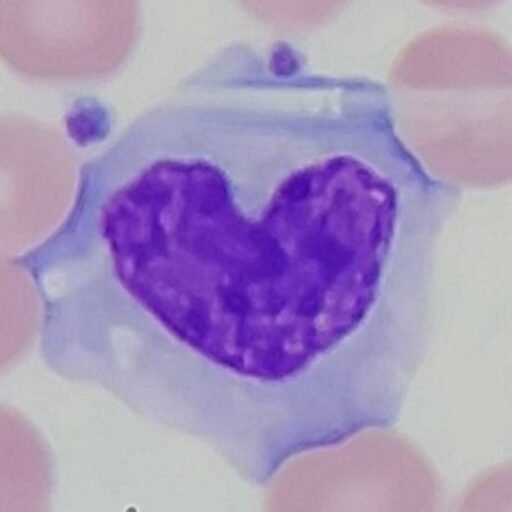
View and understand the differences between a blast cell and an activated lymph, including differences in cytoplasm and nucleus.
-
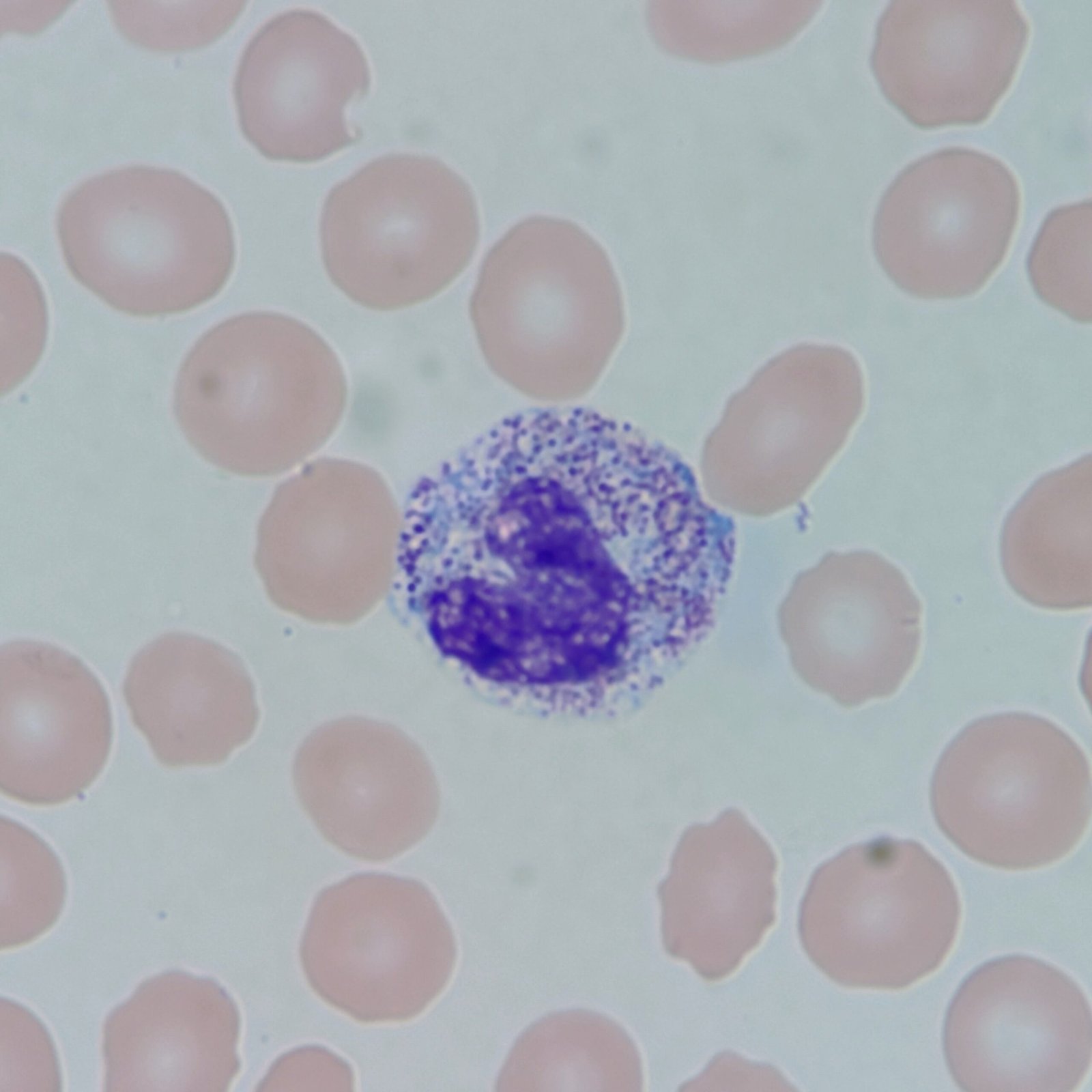
Practice a 100 white cell differential on a slide with increased band neutrophils.
-
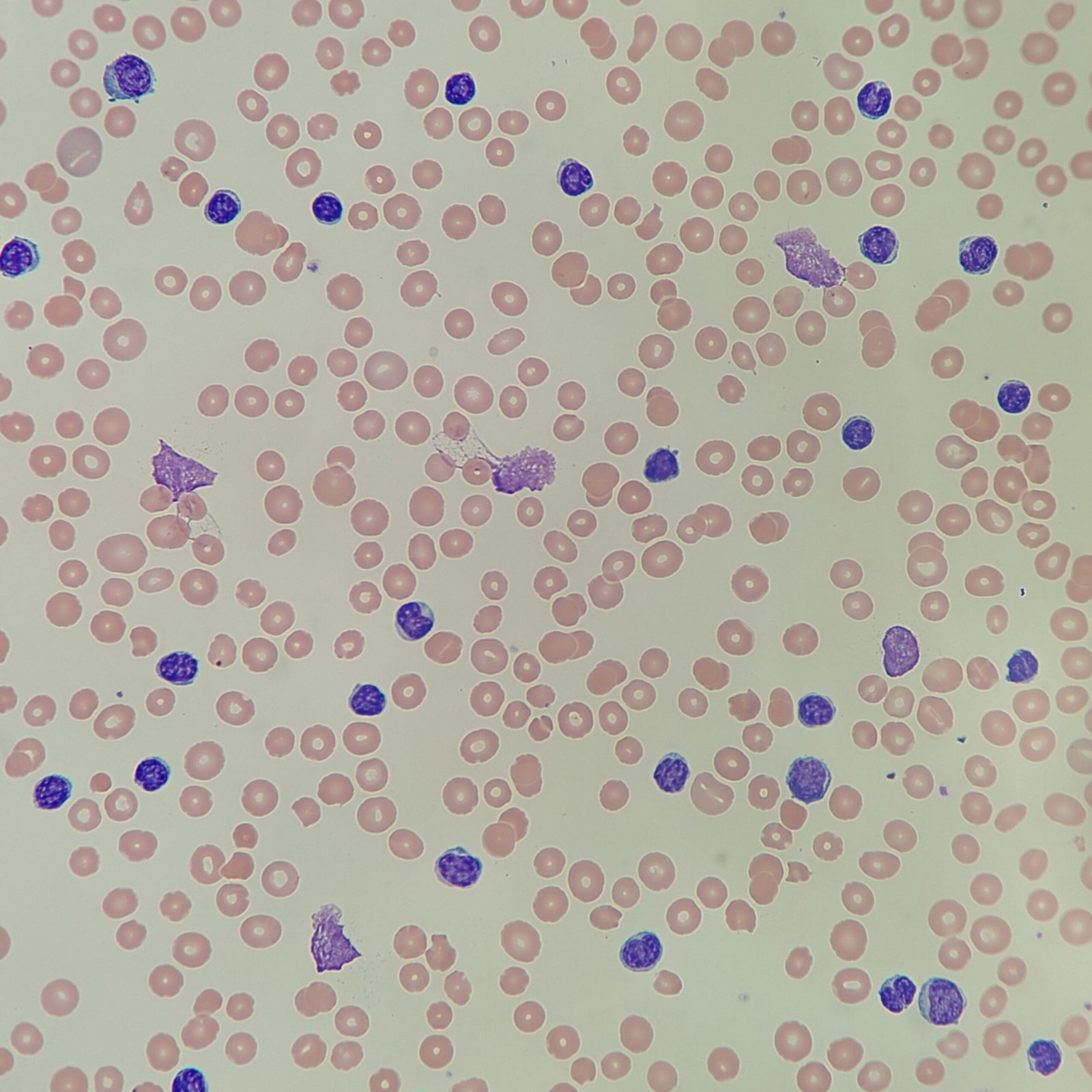
Practice a 100 white cell count on a patient with chronic lymphocytic leukemia.
-
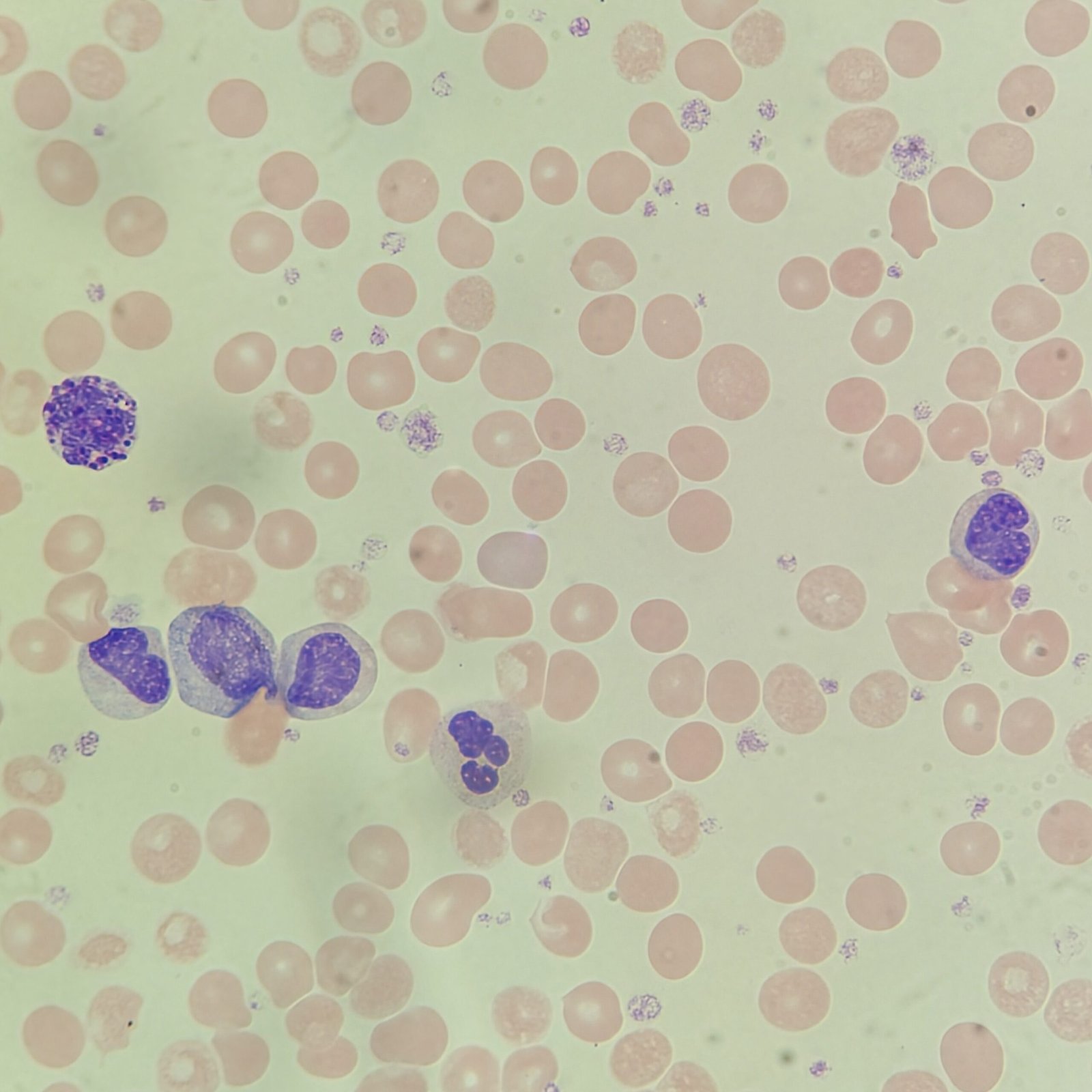
Practice a 100 white cell differential on a slide with a left shift.
-
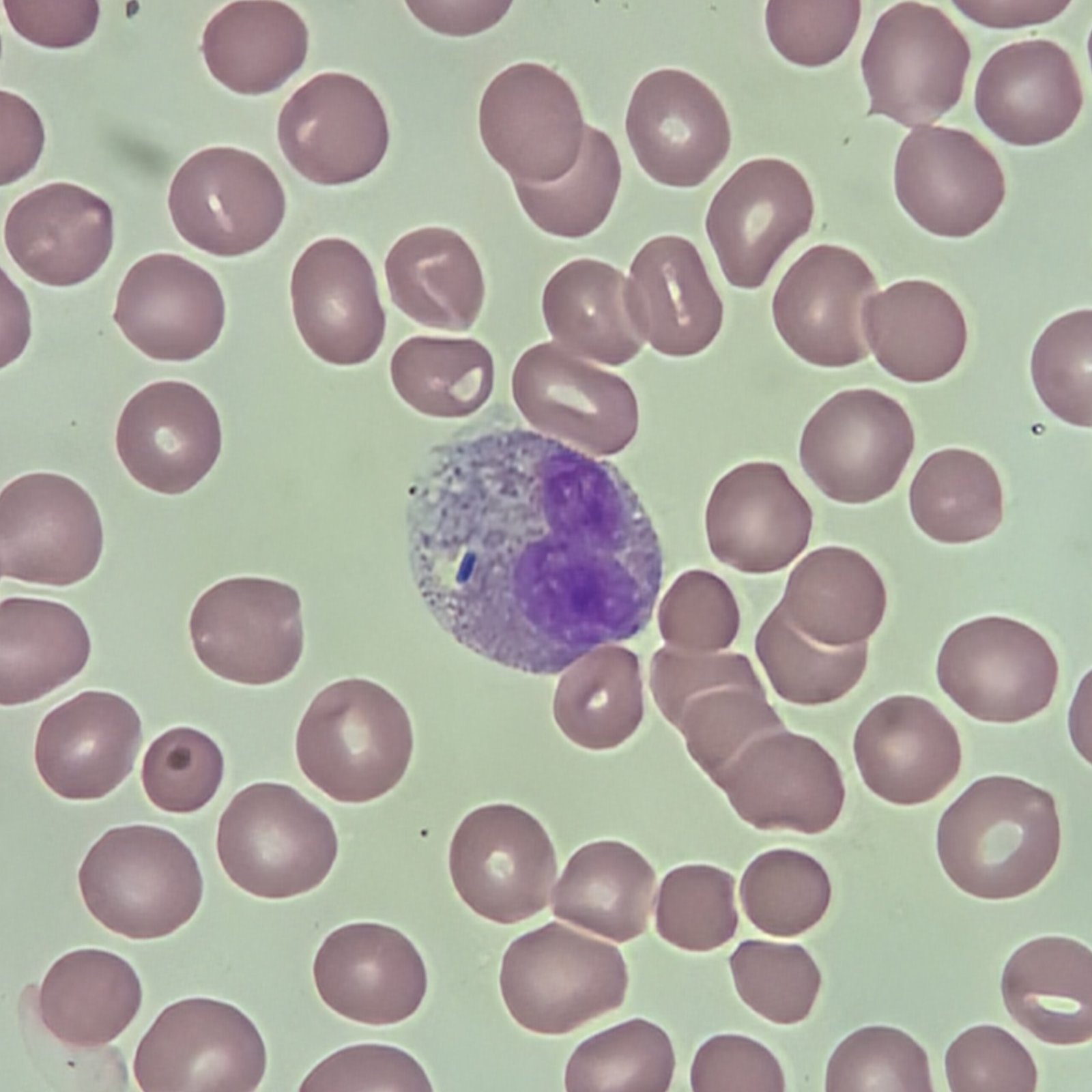
A Complete Blood Count with Differential is performed on the DXH 900 for a patient with severe sepsis & intravascular hemolysis. Due to the high percentage of neutrophils detected, a manual slide review is performed. Increased band neutrophils are seen, indicating a left shift. A manual differential is performed with the following results: 46% segmented…
-
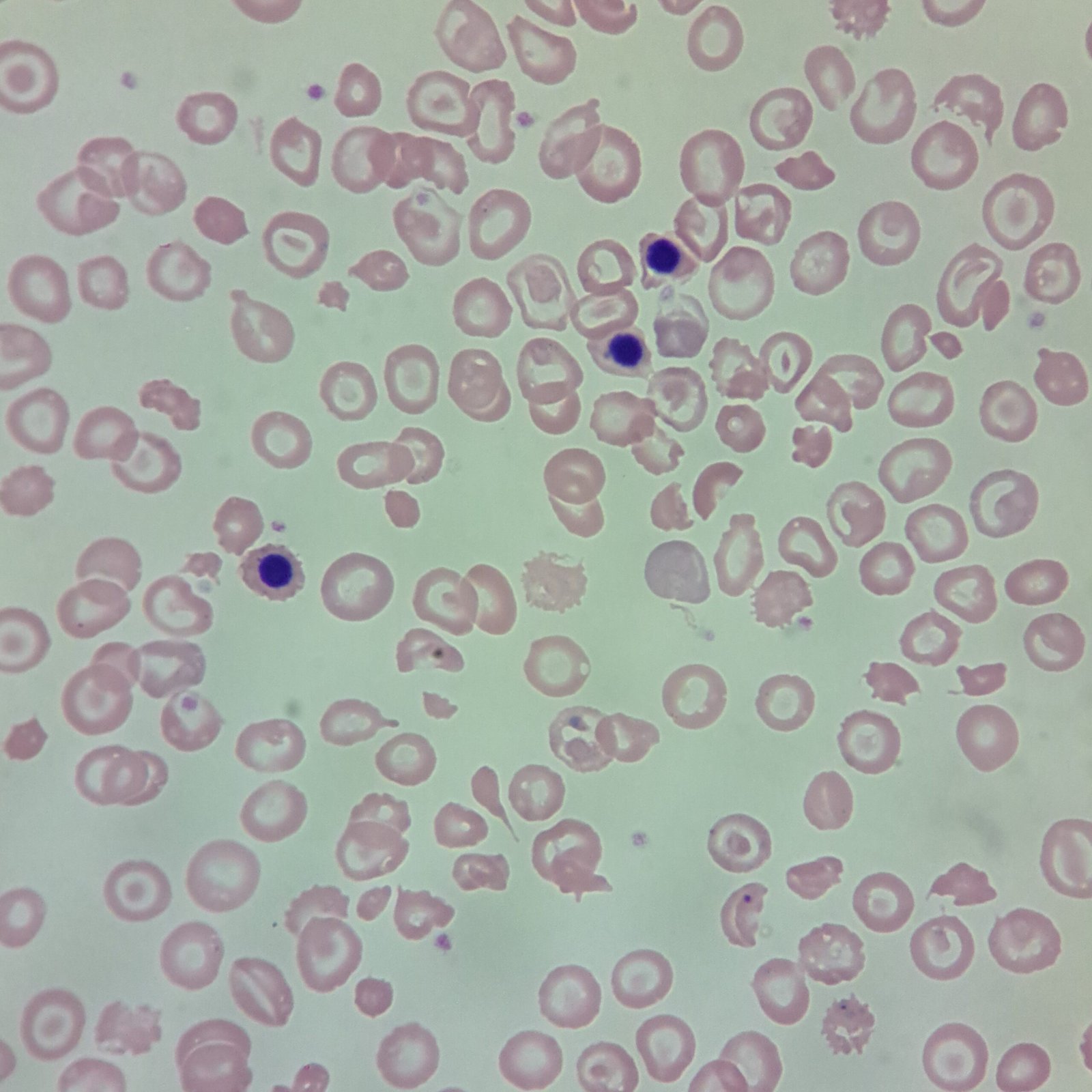
A CBCD is ran on the DXH900 for a patient with Beta Thalassemia. Numerous nucleated red blood cells (NRBCs) are detected which interfere with the automated differential, producing ‘R’ flags. This interference can be seen in the 5PD1 scatterplot. Because of the presence of NRBCs and flags on the automated differential, a manual differential must…
-
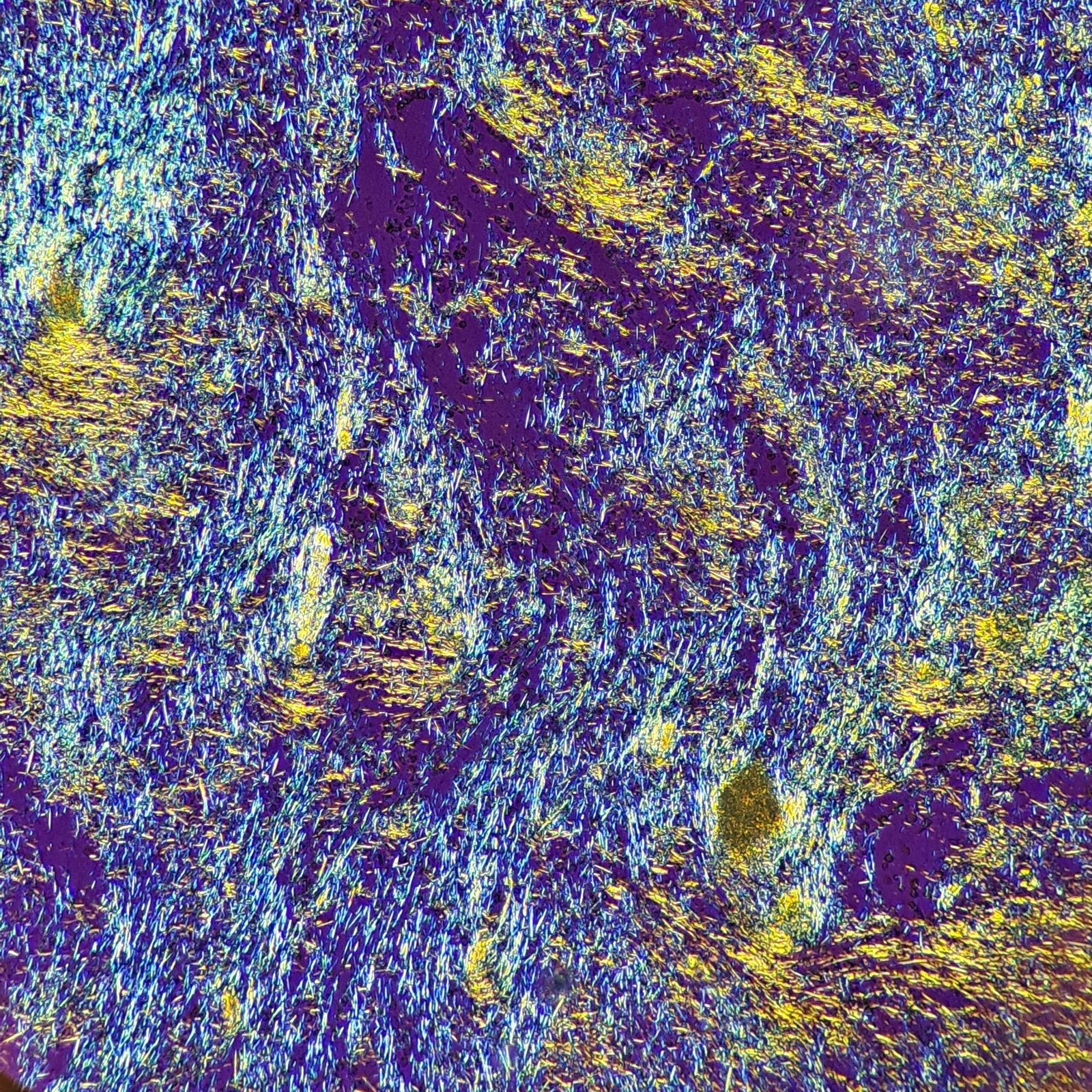
Extracellular needle-like crystals are noted in a synovial fluid. Polarization is crucial to differentiate gout from pseudogout. Monosodium urate (gout) crystals are yellow when parallel to the axis and blue when perpendicular to the axis. This is known as negative birefringence. In contrast, calcium pyrophosphate (pseudogout) crystals have positive birefringence, meaning they are blue when…