Amorphous phosphates are found in alkaline urine. They are soluble in dilute acetic acid and do not dissolve with heat.
These crystals are not clinically significant.
Macroscopic Appearance
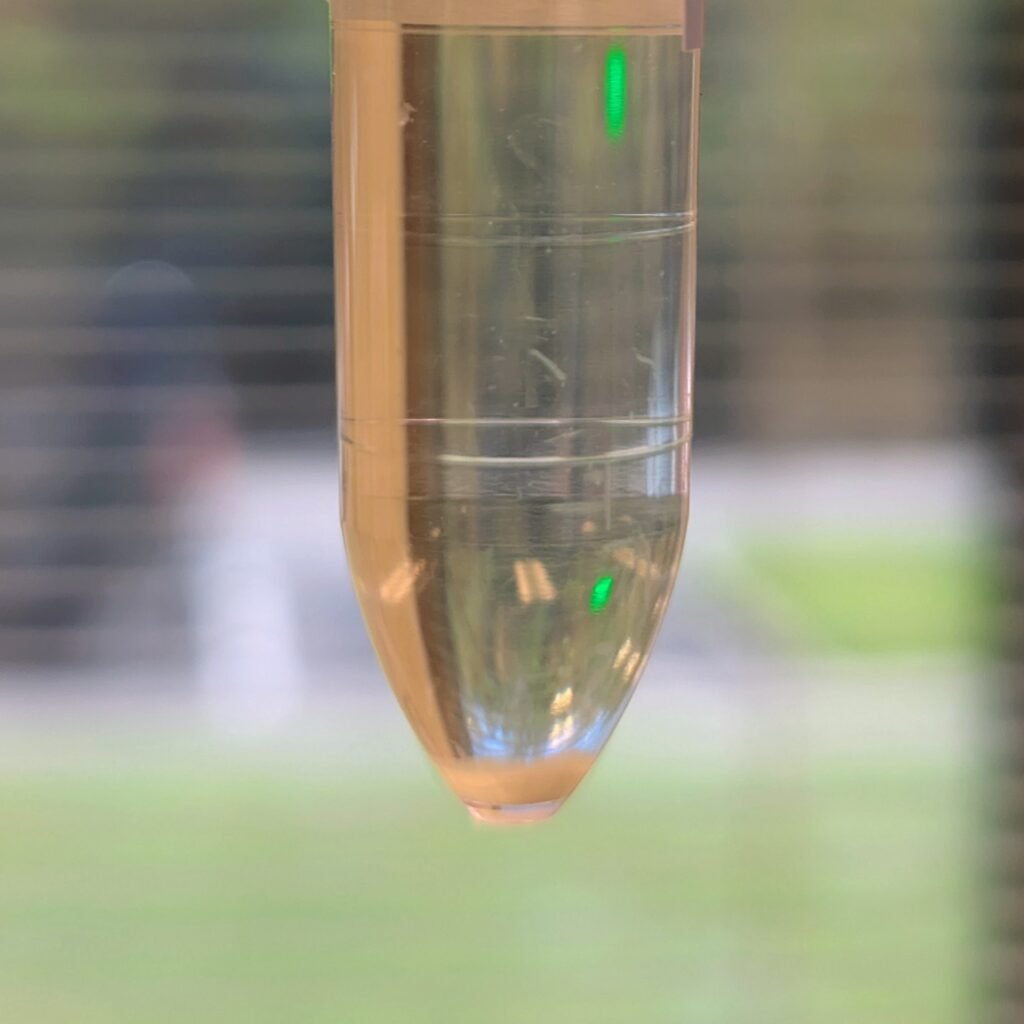
Macroscopically, amorphous phosphates form a white sediment.
Crystal Appearance
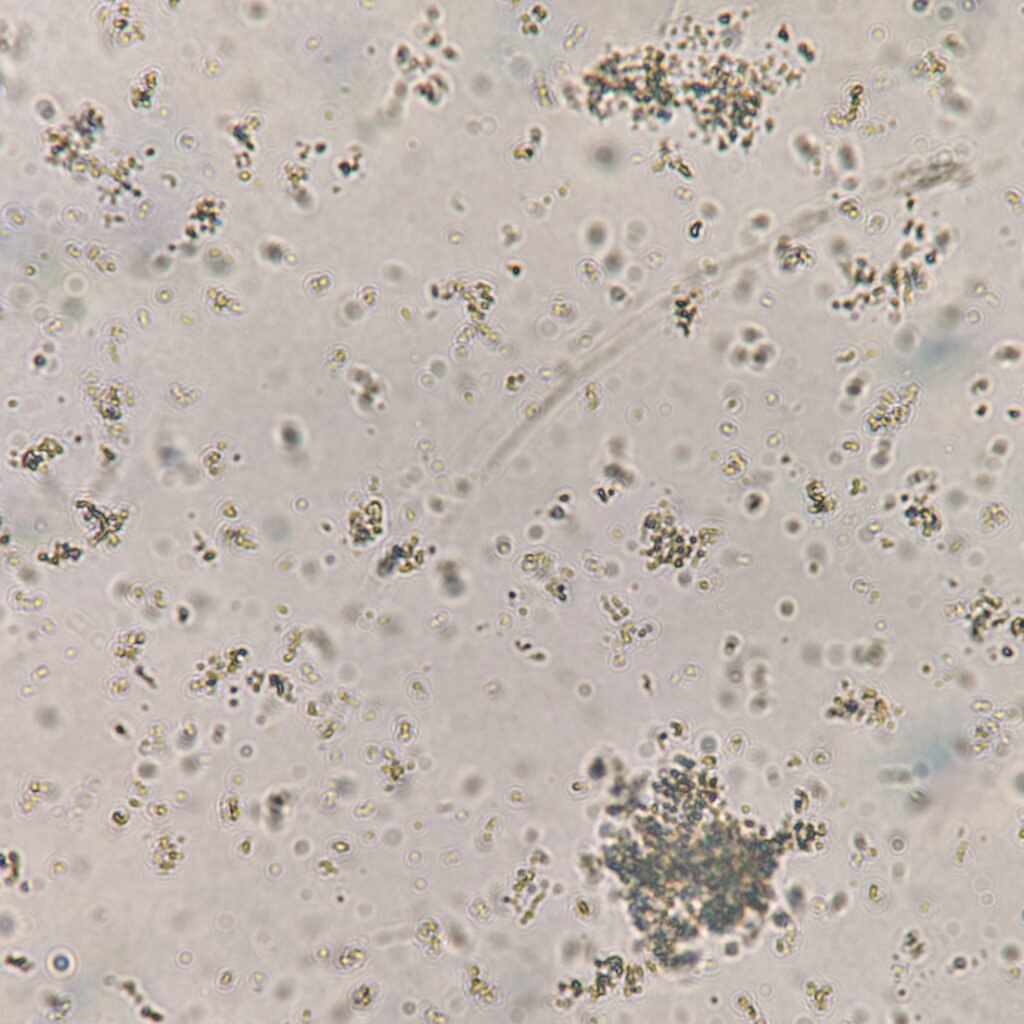
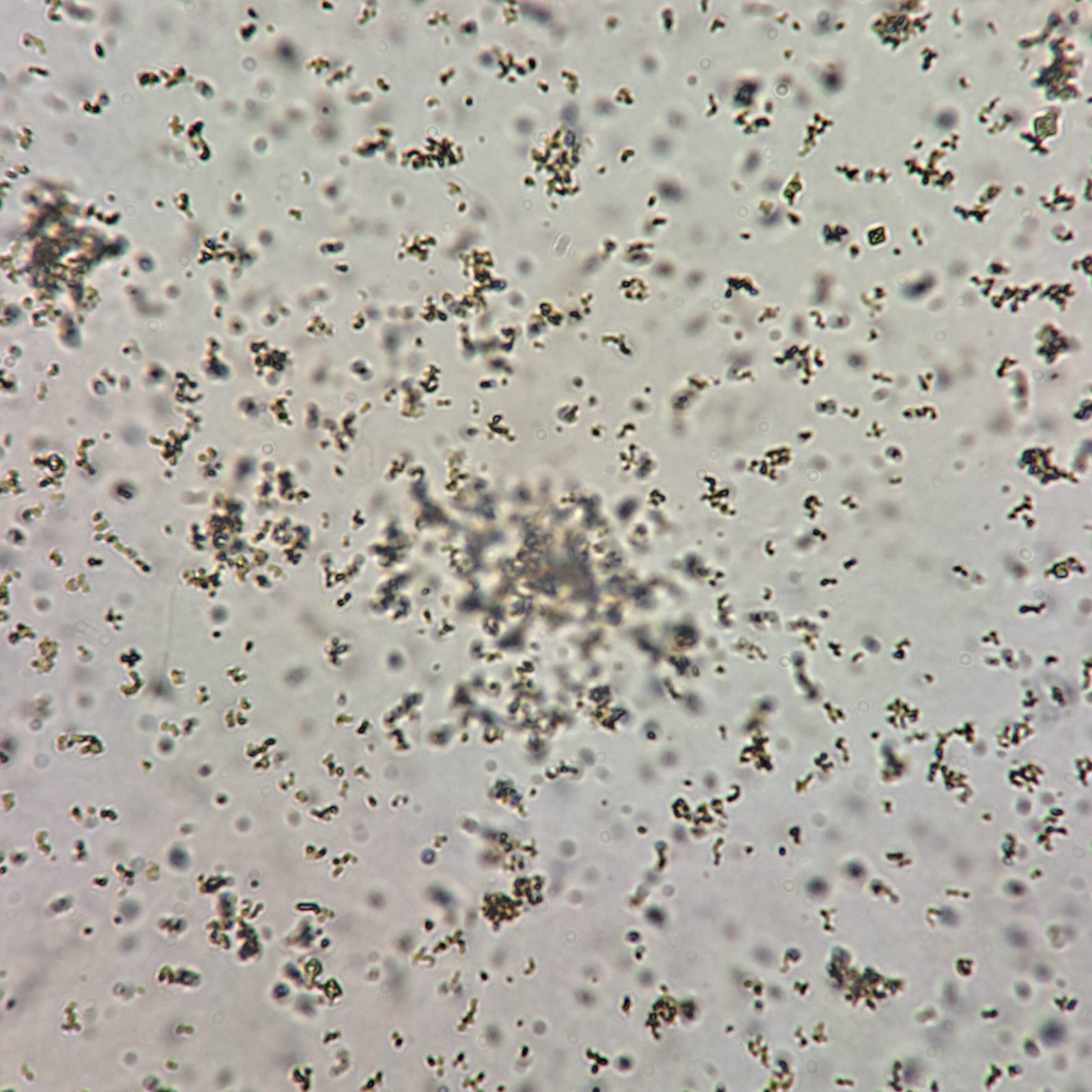
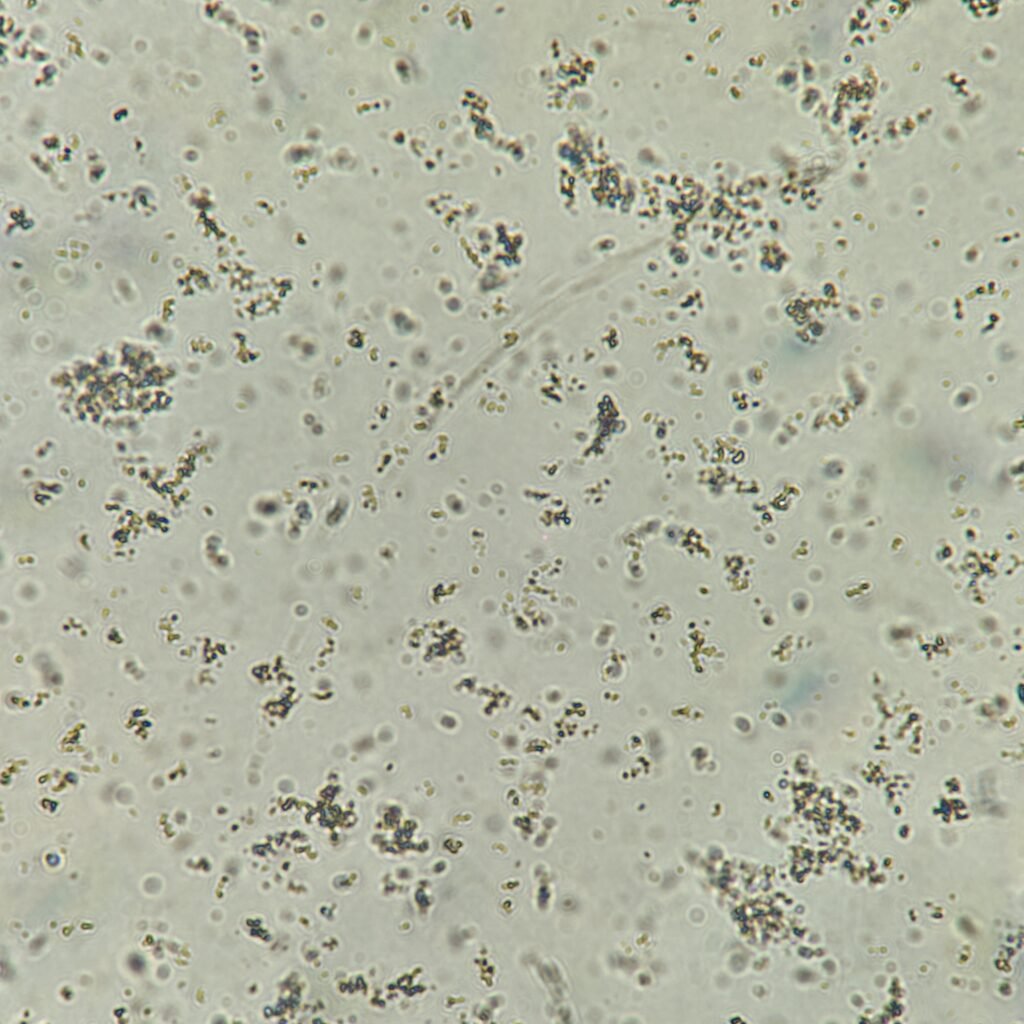
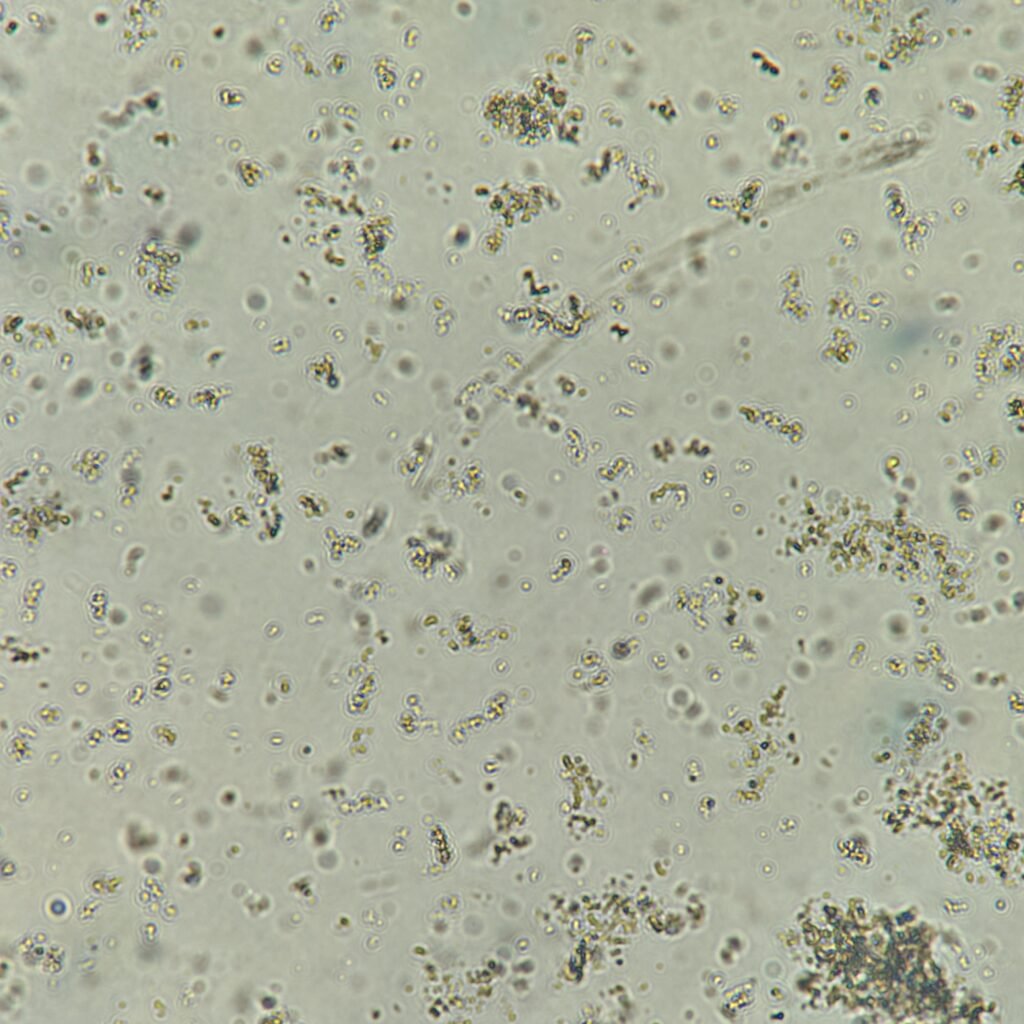
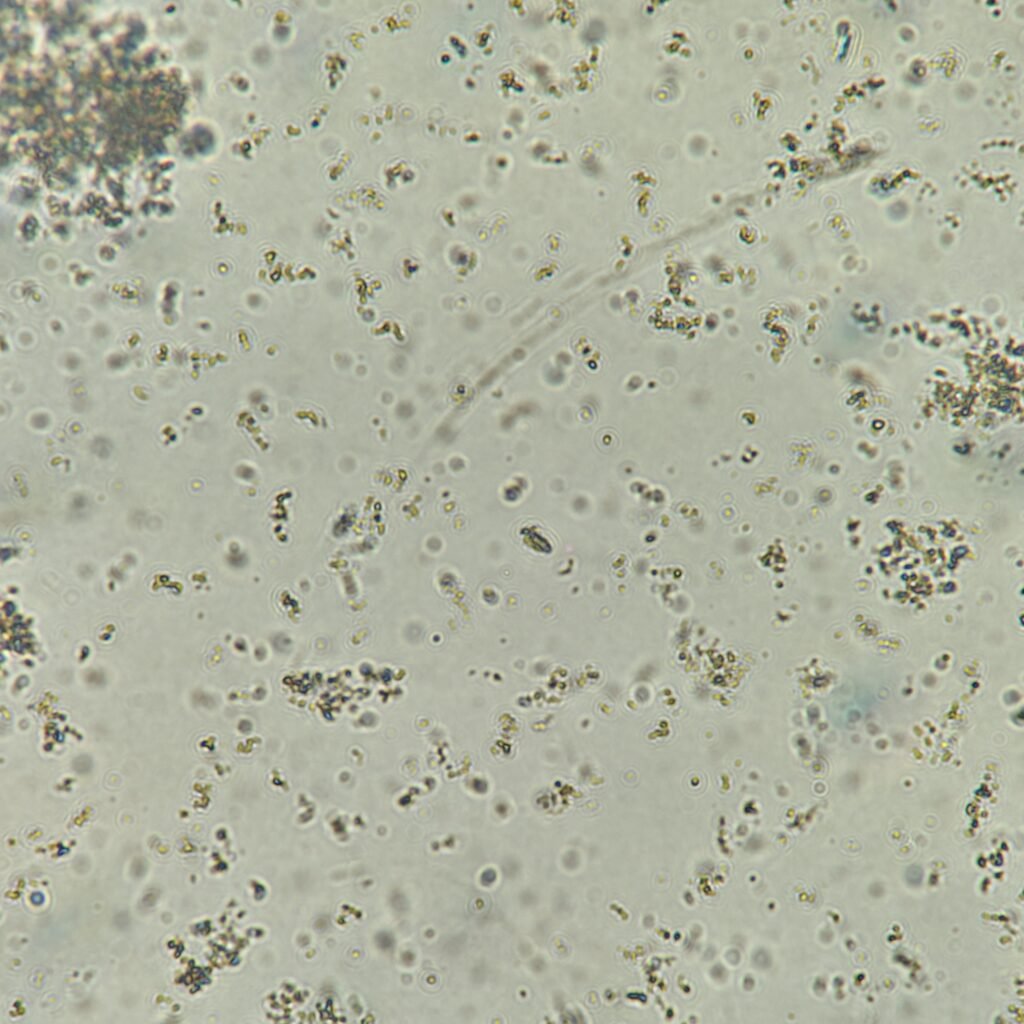
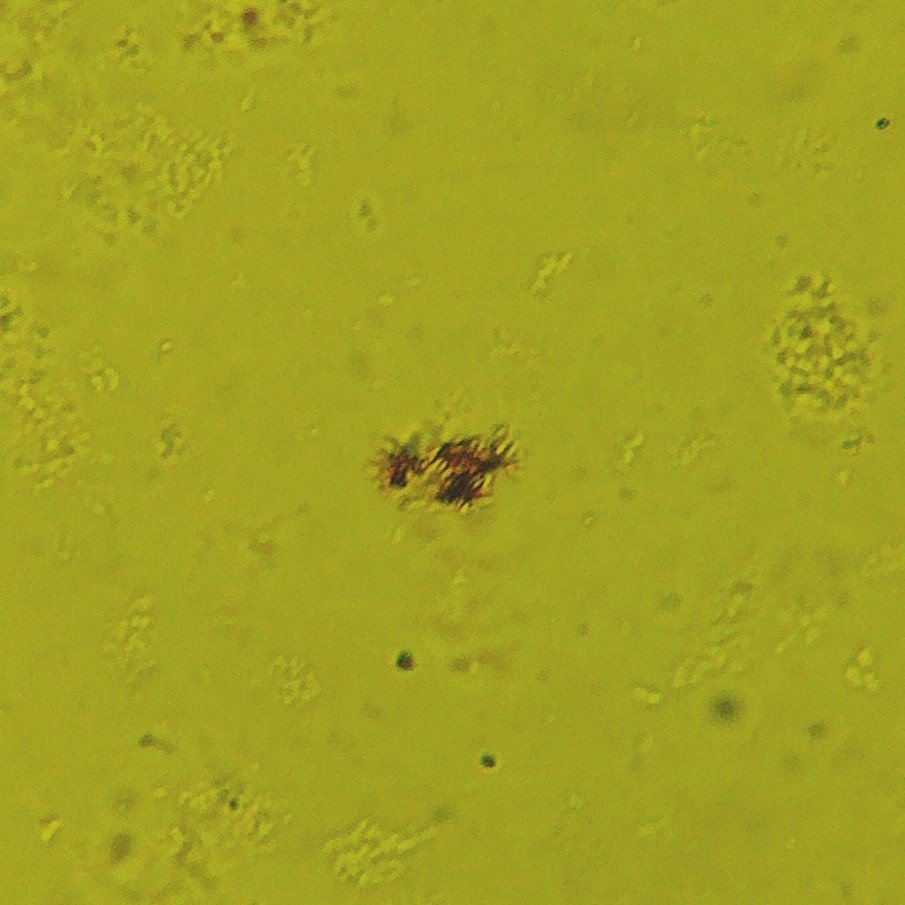
Amorphous Phosphates appear as granular material in the sediment. The addition of dilute acetic acid usually dissolves these crystals, allowing for proper identification of elements the sediment that may otherwise be obscured.
Check out more images in the gallery below.
Lookalikes
Brownian motion of these amorphous granules may make them appear as bacteria, so care must be taken with identification. Bacteria will have a uniform appearance while amorphous crystals will vary in shape and size. Additionally, bacteria is usually accompanied by other signs of a urinary tract infection, such as white blood cells.
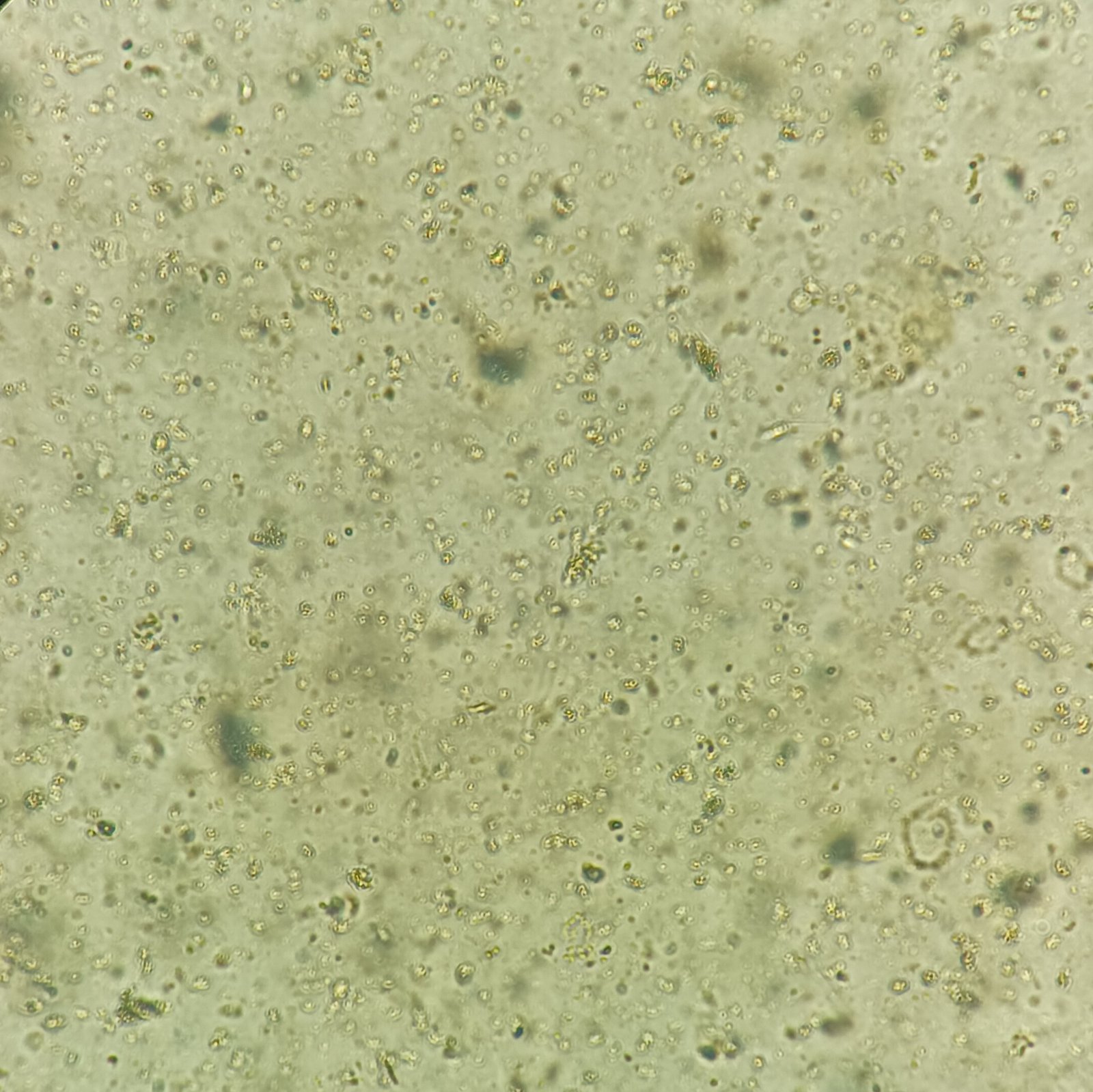
Amorphous phosphates are microscopically indistinguishable from amorphous urates. The pH of the urine is the easiest way to differentiate between the two, as urates are in acidic urine while phosphates are in alkaline urine.
Gallery
Other Crystals



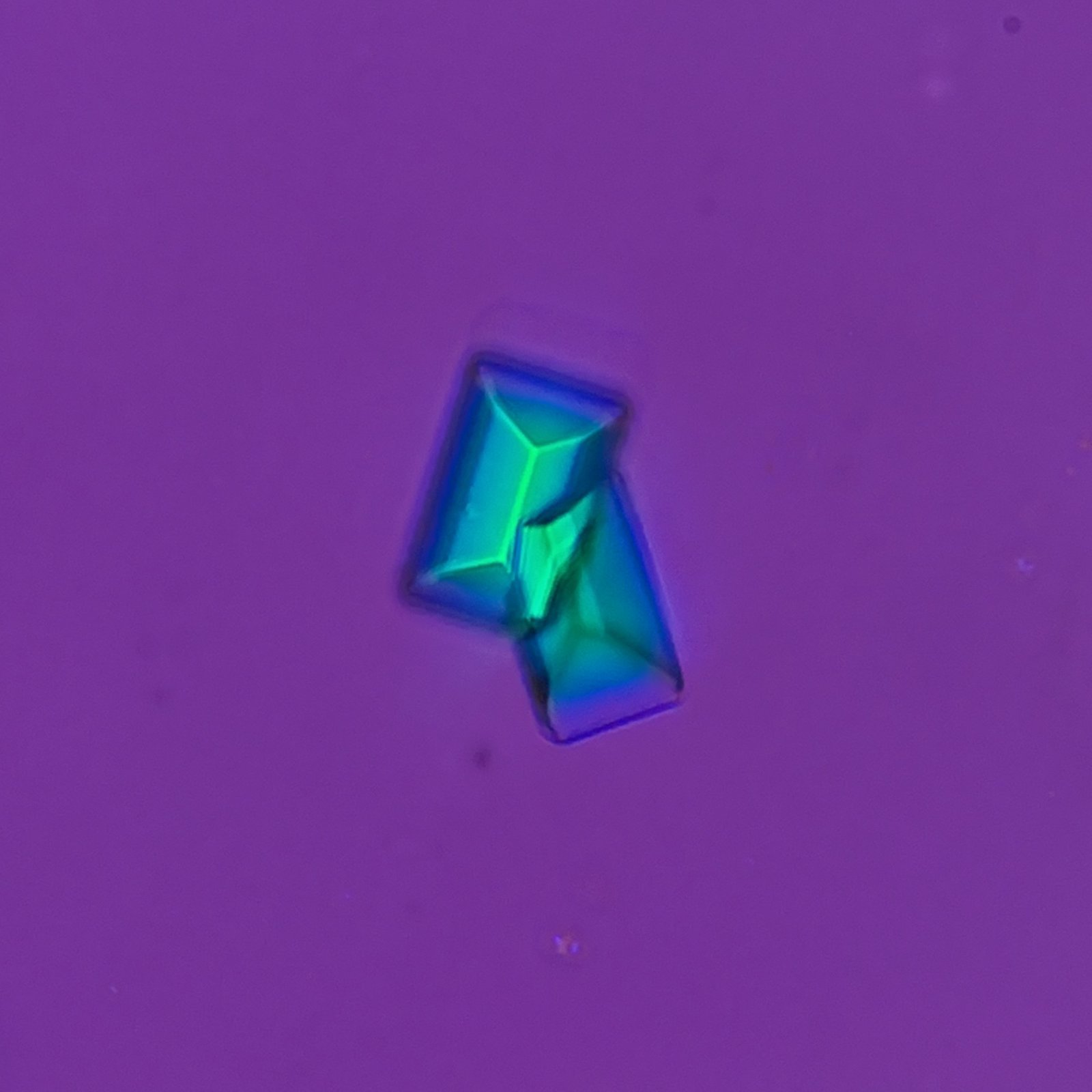

Hippuric Acid

Tyrosine
