RBCs should be proportional to blood in the urine chemistries from the dipstick. It is important to note that positive blood on the dipstick may be present without intact RBCs on the microscopic. Large amounts of RBCs can also cause a false positive on protein.
A few RBCs in urine can be normal. Increased amounts may be seen in kidney disease, urinary tract infections, or may be contamination from menstrual blood.
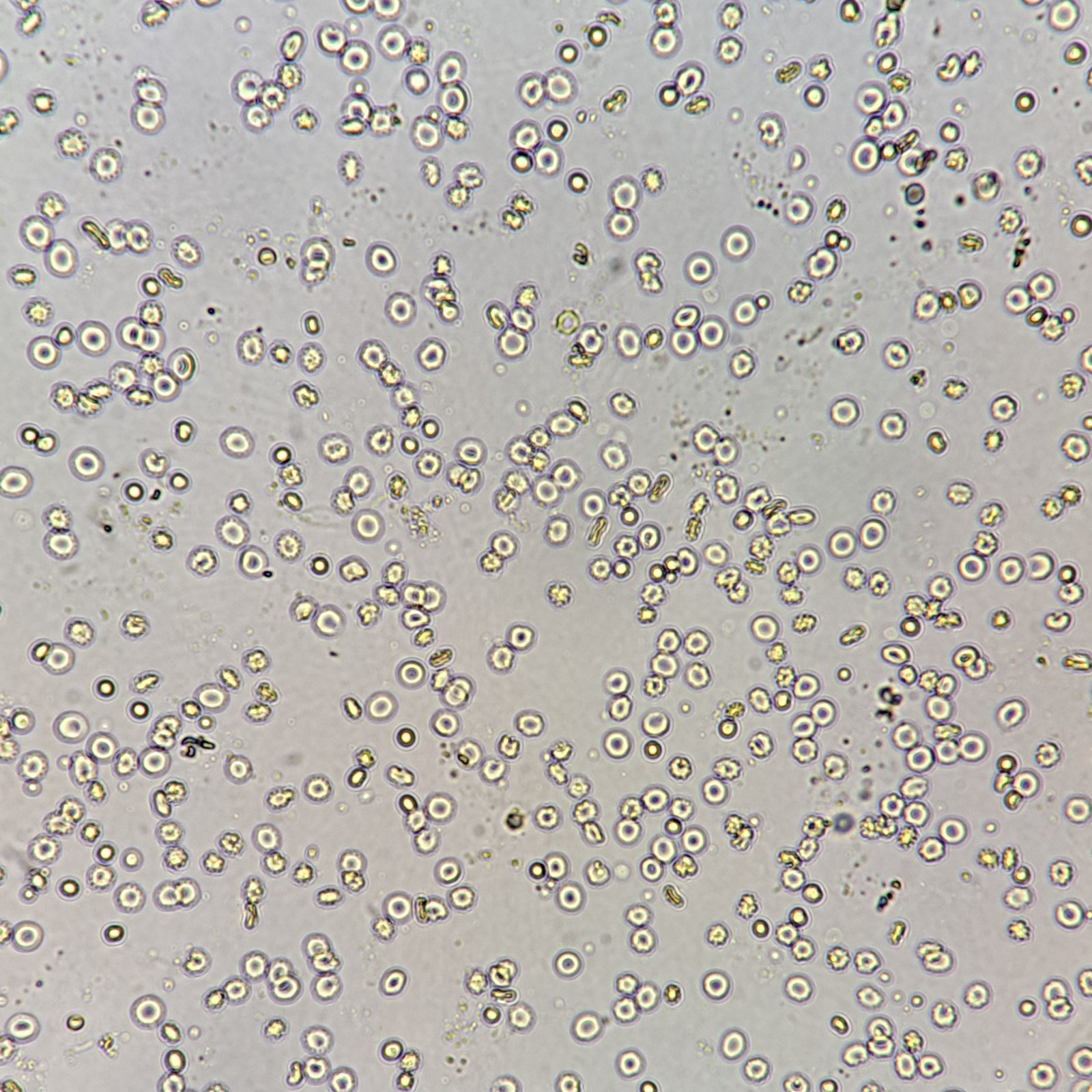
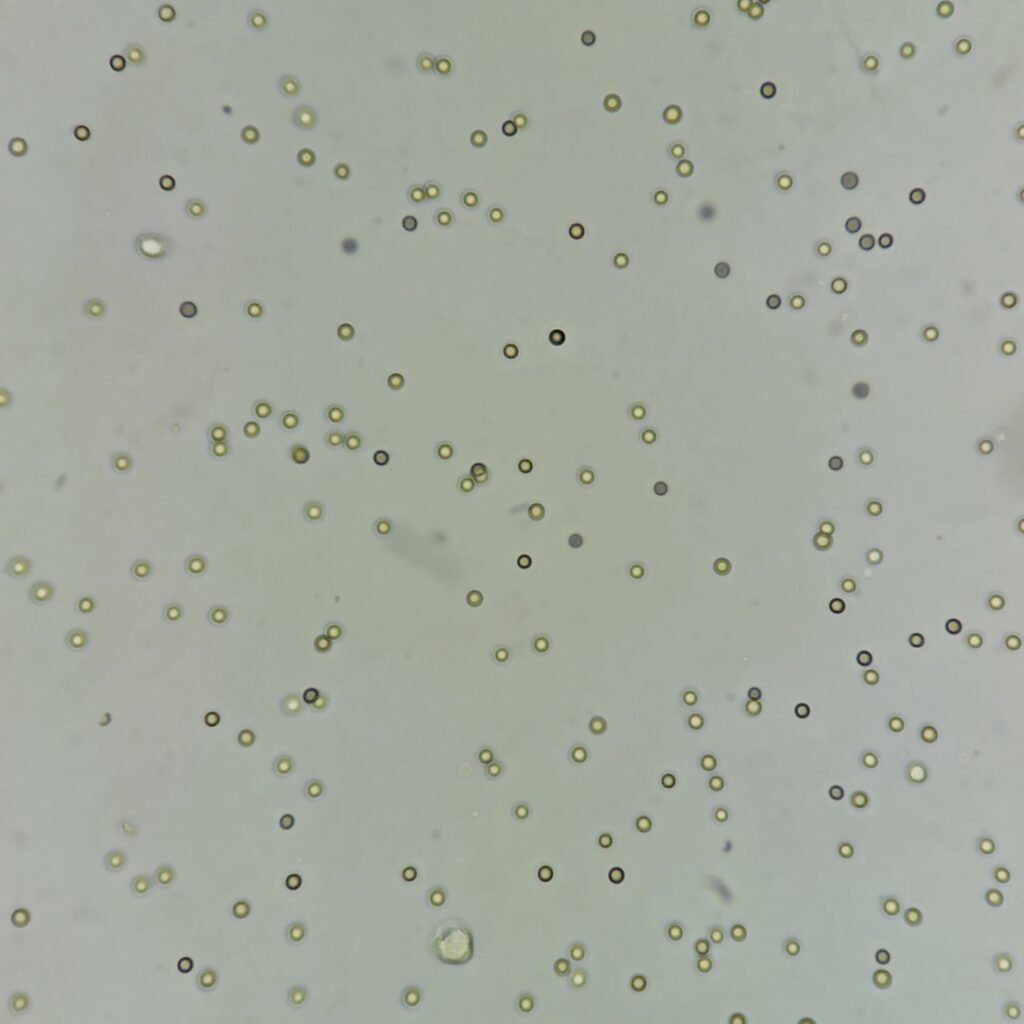
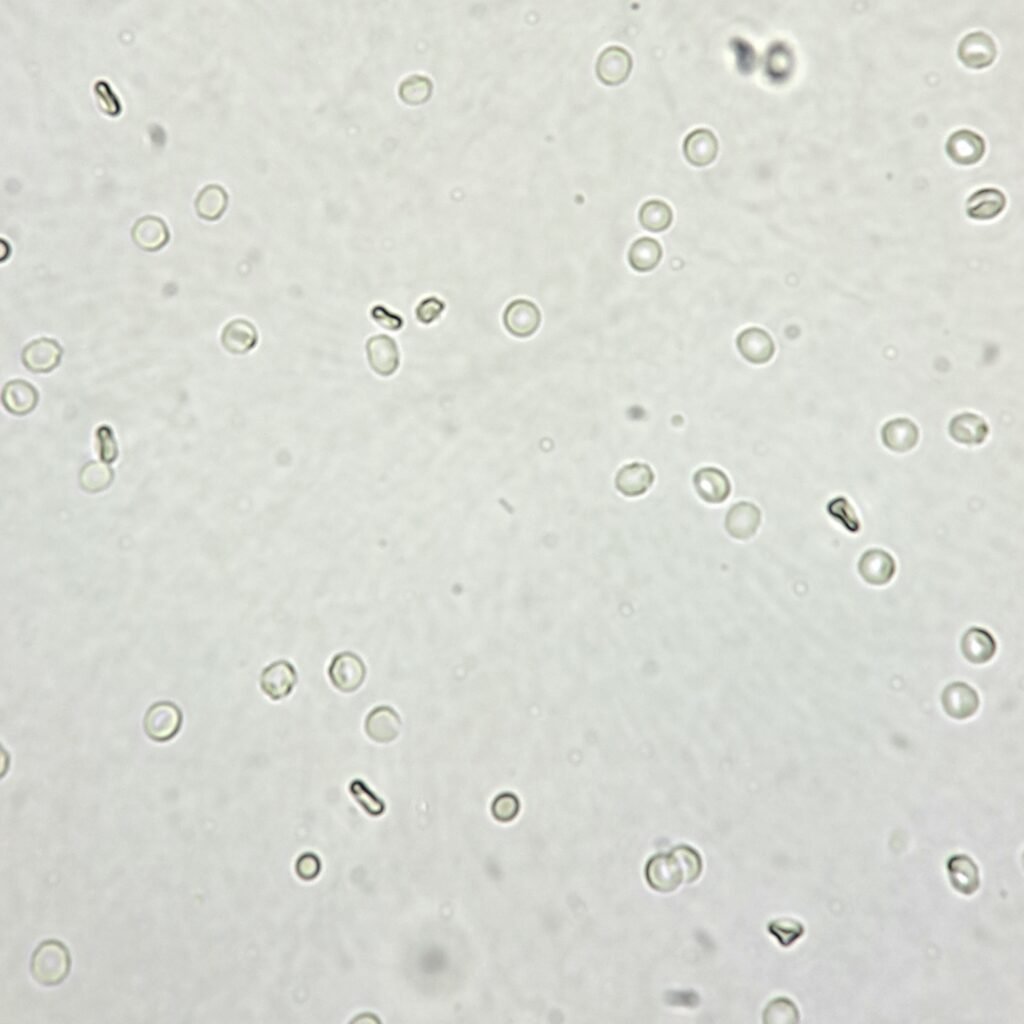
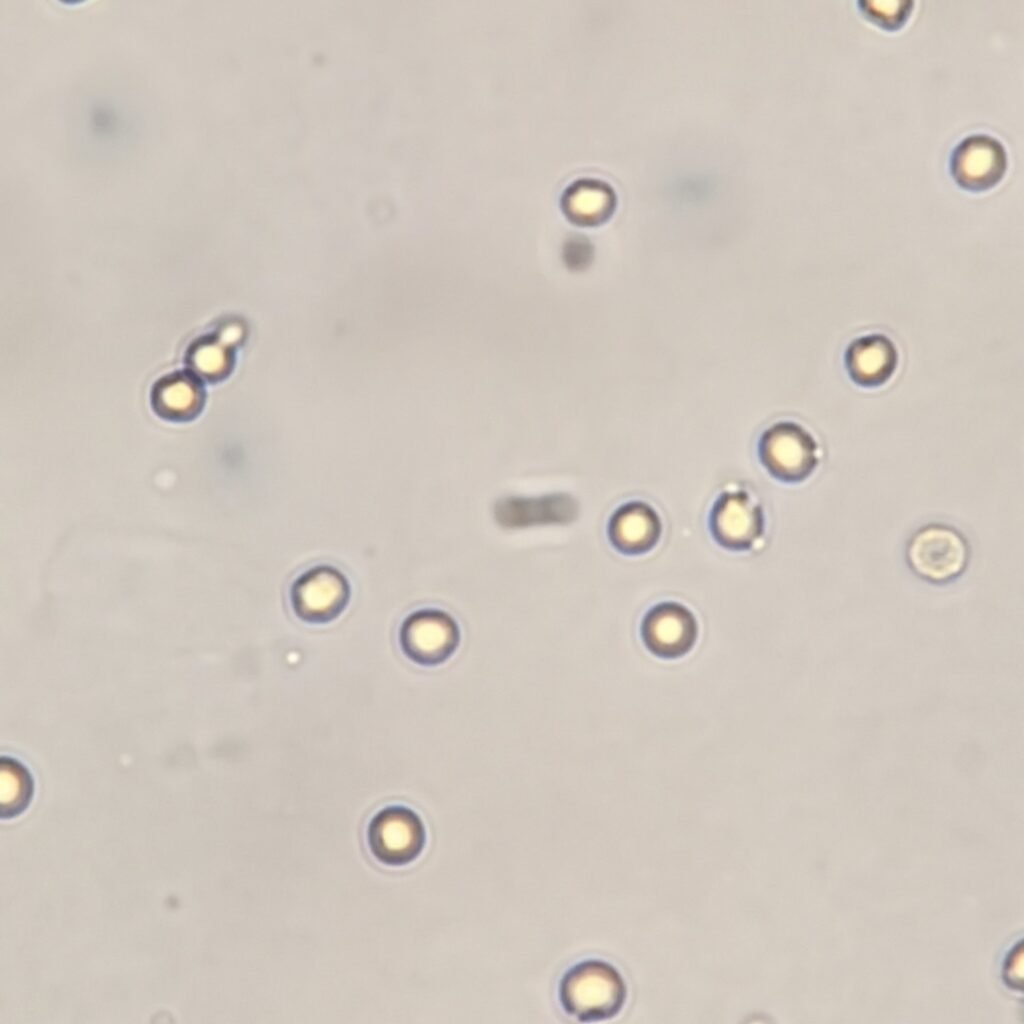
Normal Red Blood Cells
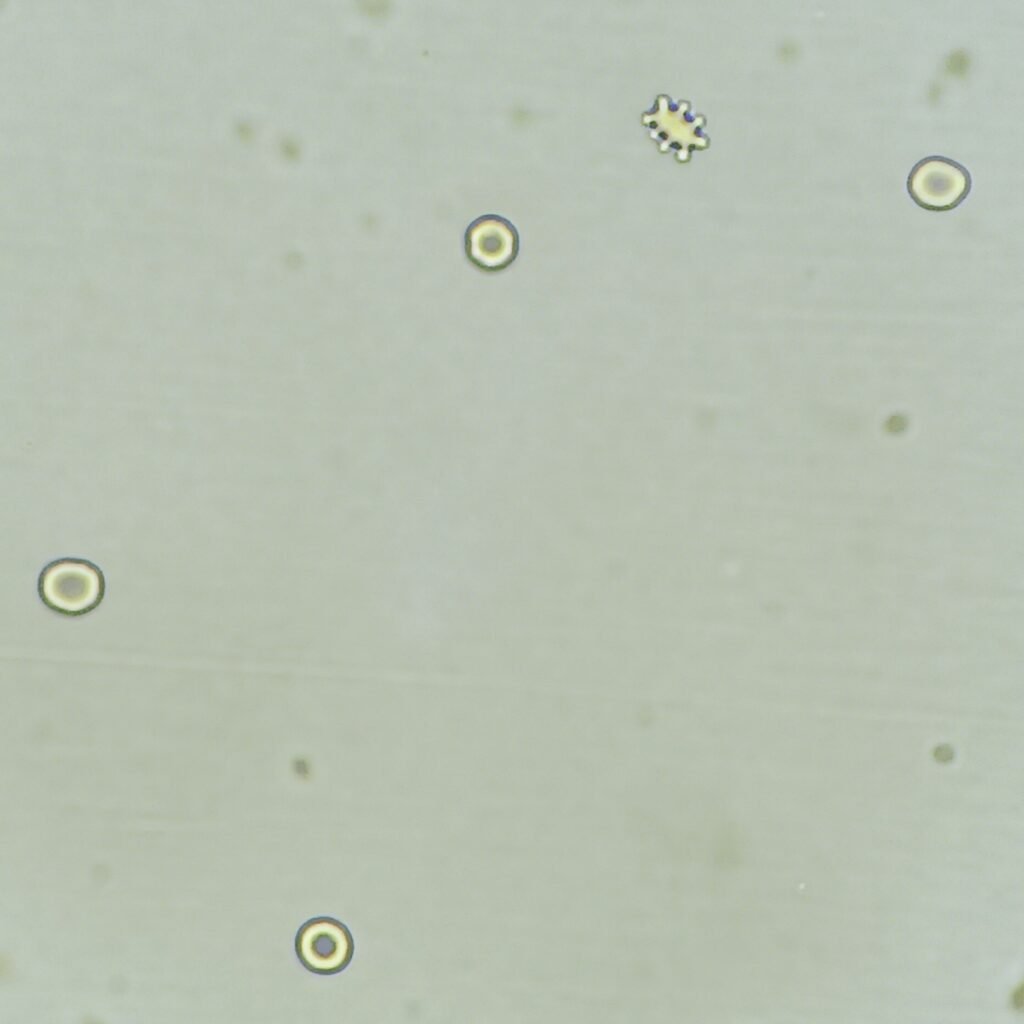
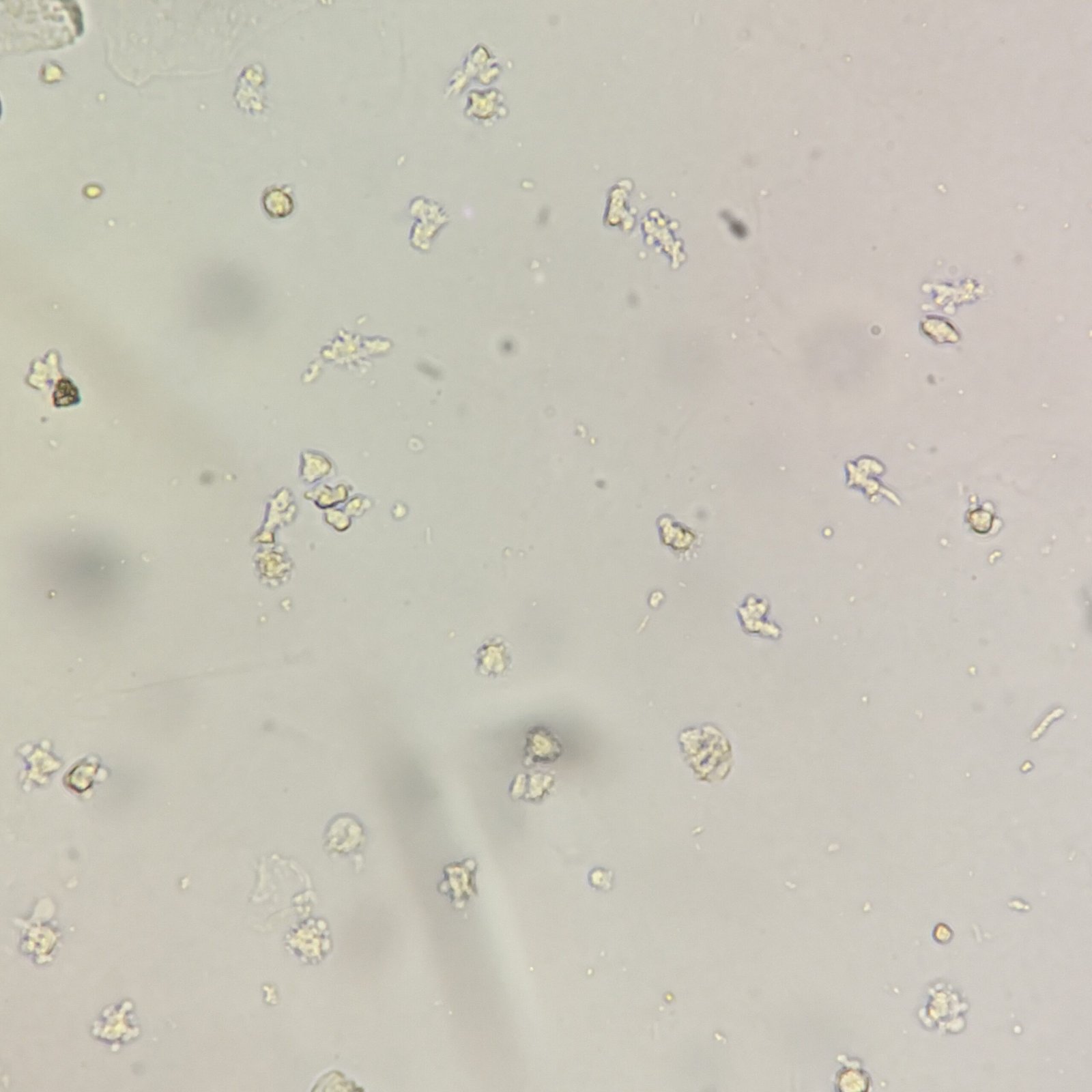
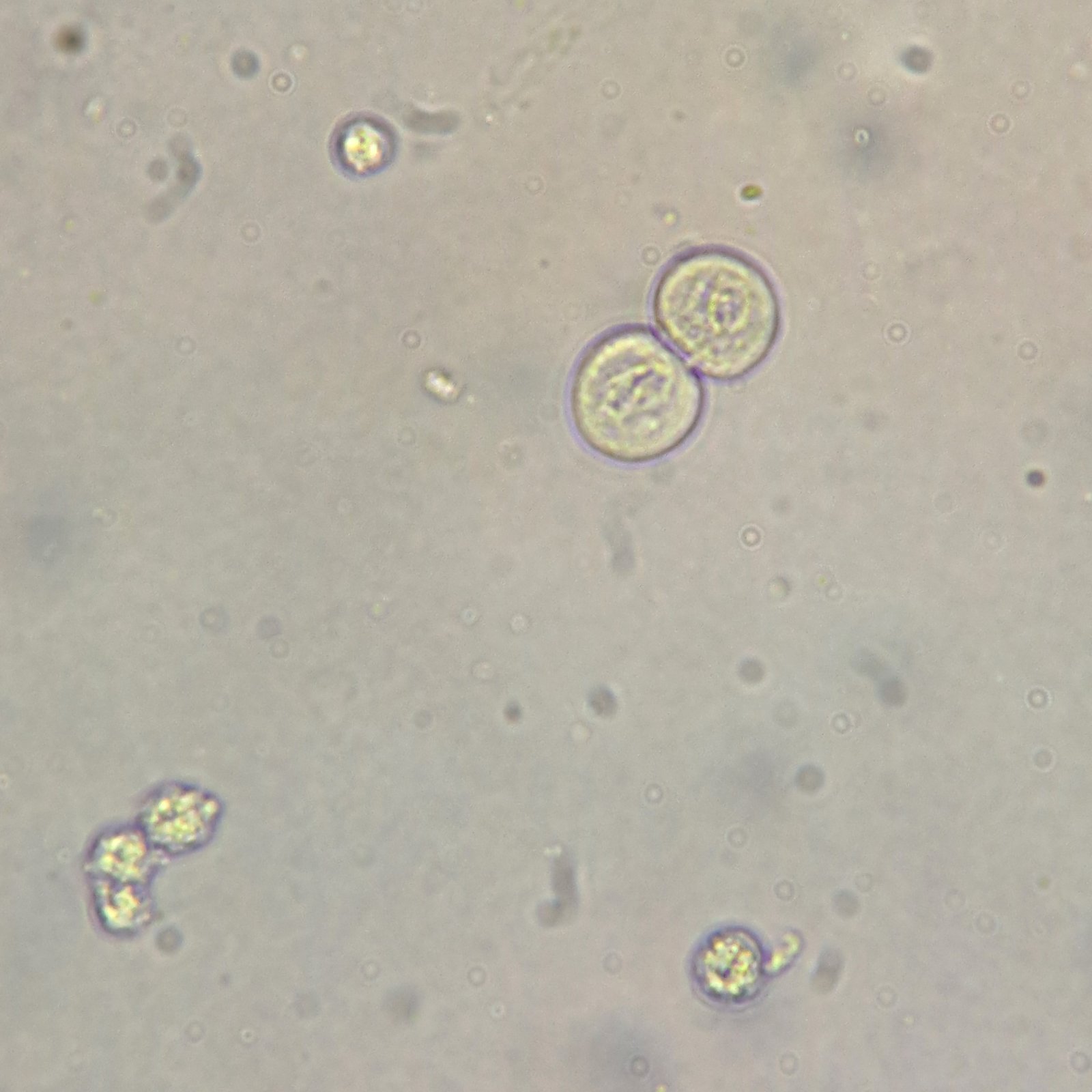
RBCs are typically donut-shaped. However, they may also be crenated in hypertonic solutions or appear as an hourglass when viewed from the side. RBCs can be identified by their thin dark borders and high refractive index.
Dysmorphic Red Blood Cells
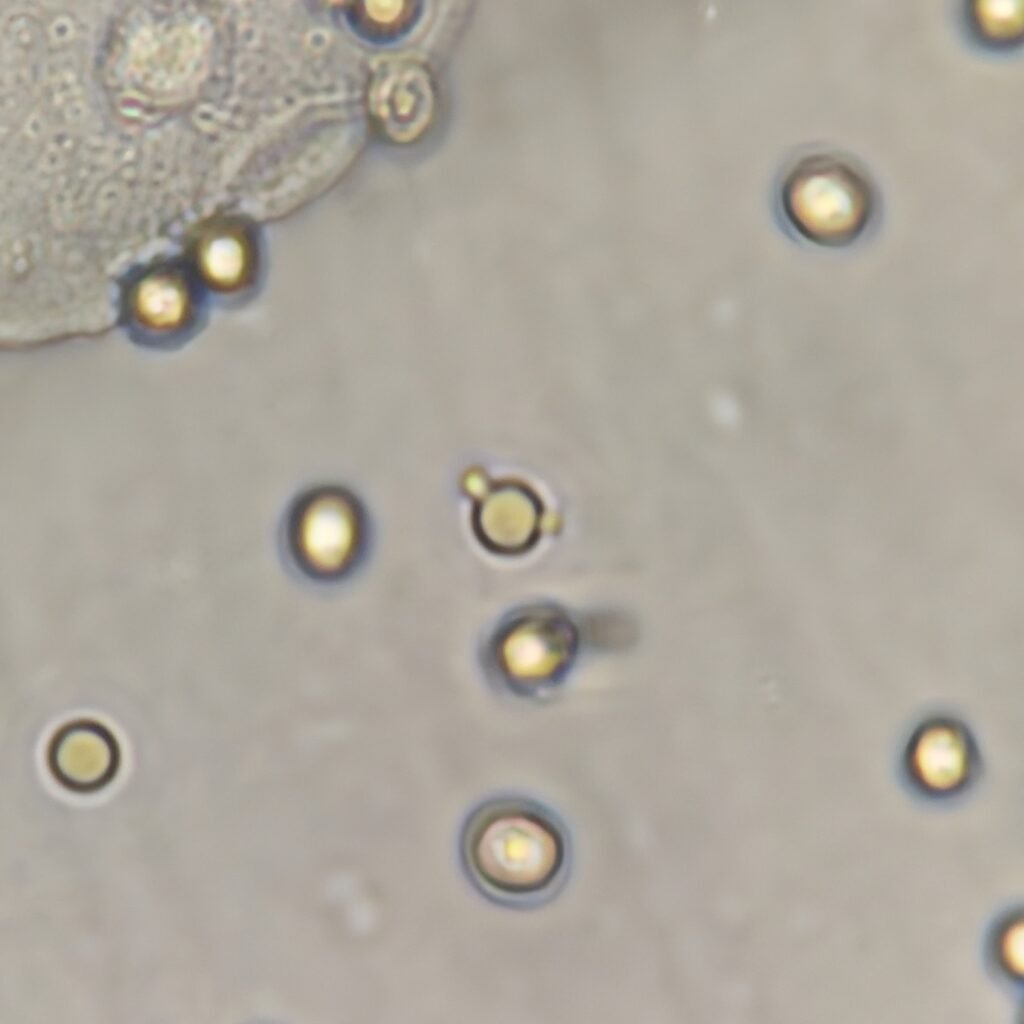
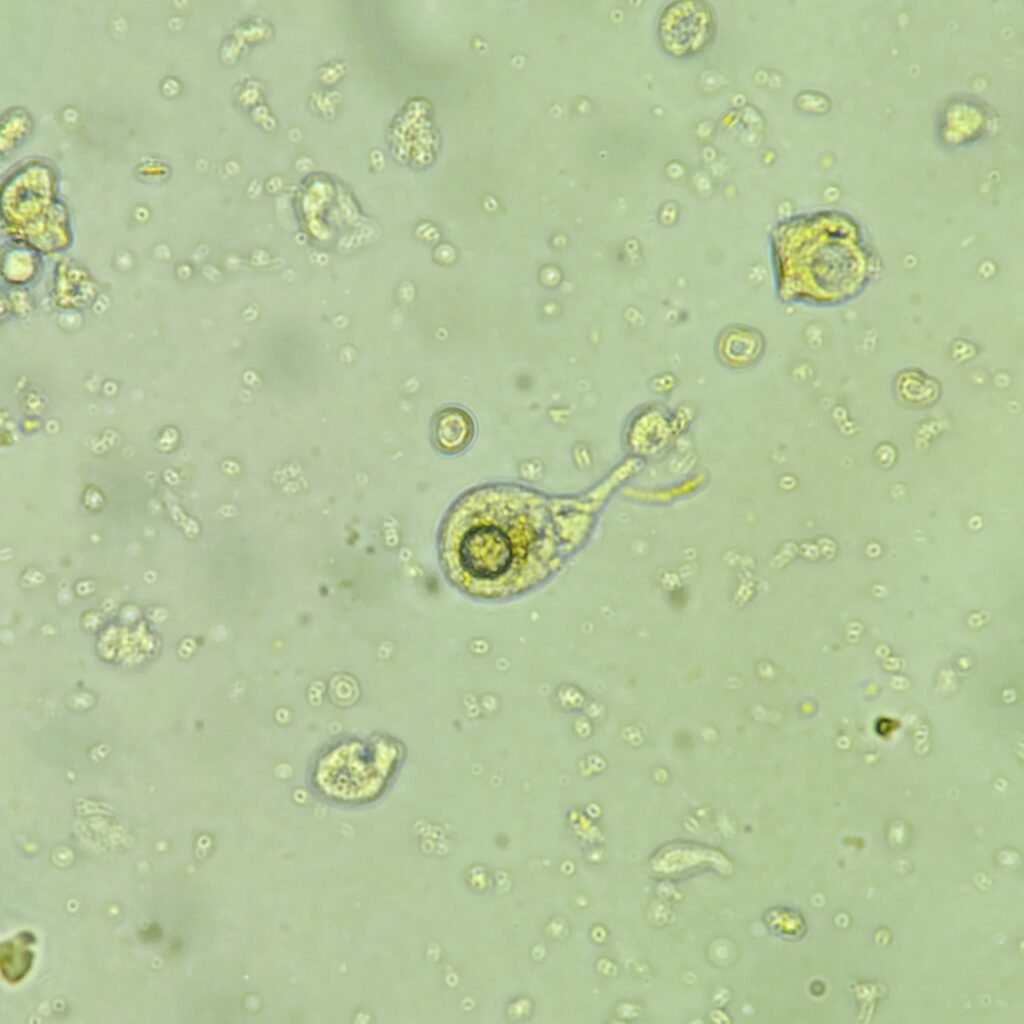
Dysmorphic RBCs have cytoplasmic blebs and are irregularly shaped. Comparison with other normal red blood cells and correlation with urine chemistries can help identify them.
Dysmorphic red blood cells are associated with glomerular bleeding.
Lookalikes
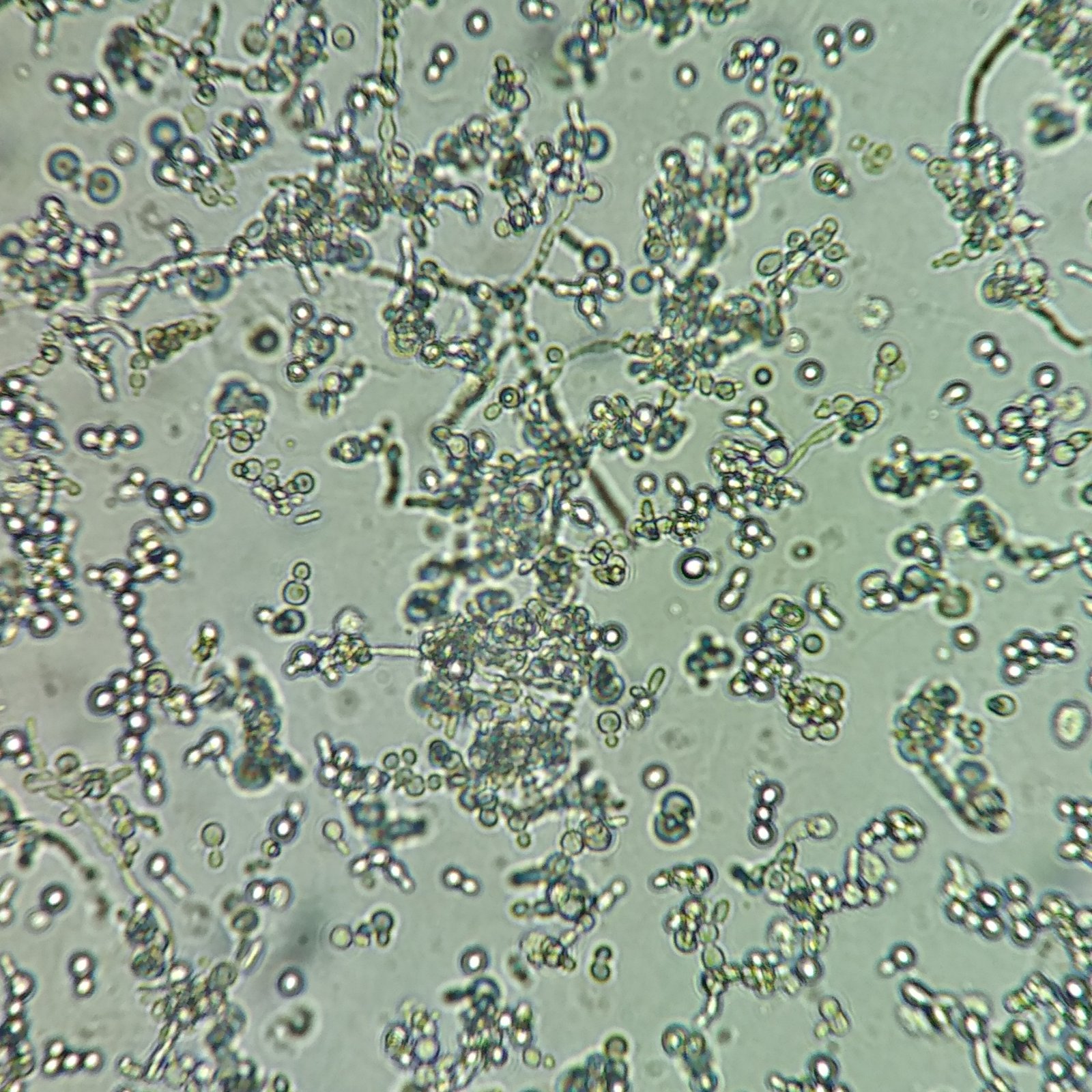
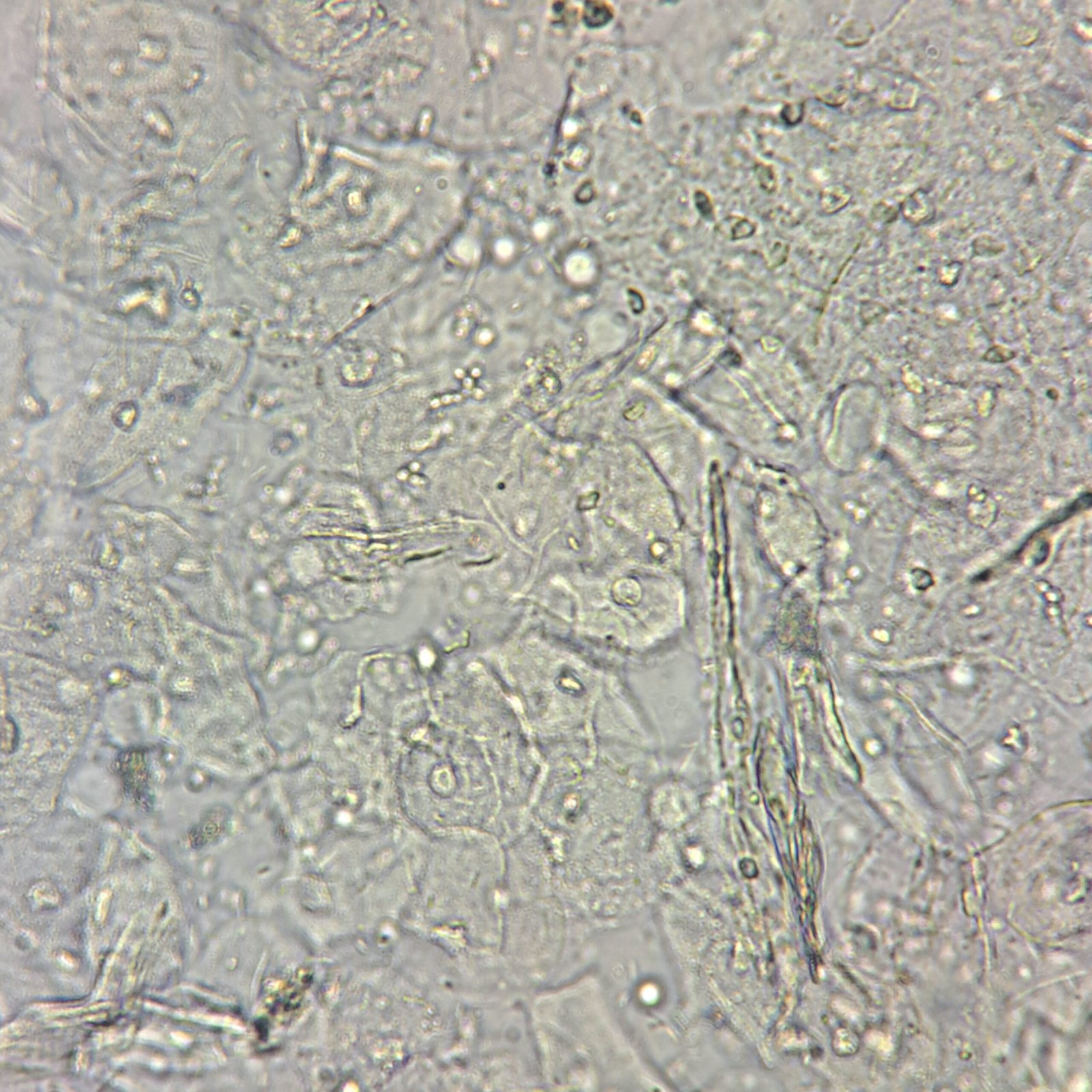
Dysmorphic RBCs can be confused for budding yeast. Use context clues such as urine chemistries and patient history to help with differentiation. Search the sediment for classic examples of either element.
Gallery

good
VERY HELPFULL PAGE